why were manual handling operations regulations introduced
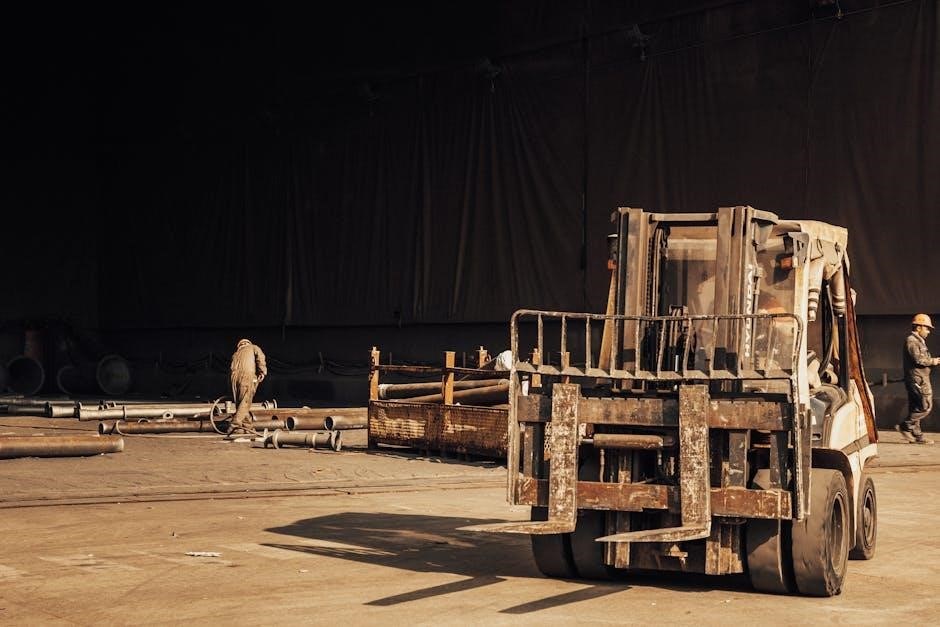
Manual Handling Operations Regulations emerged in 1992, driven by the need to implement EC Directive 90/269/EEC and address escalating injury rates.
Historical Context: Pre-1992 Landscape
Prior to 1992, workplace health and safety regarding manual handling lacked standardized, comprehensive legal frameworks. Employers generally operated under the broader provisions of the Health and Safety at Work etc. Act 1974, offering limited specific guidance. This resulted in inconsistent approaches to risk management and a reliance on general duty of care principles;
Consequently, manual handling tasks – prevalent across numerous industries – were often performed without adequate assessment of risks or implementation of appropriate control measures. This environment contributed significantly to a high incidence of musculoskeletal disorders (MSDs) among workers. The absence of specific regulations meant that preventative measures were often overlooked, leading to preventable injuries and substantial economic costs associated with lost workdays and healthcare expenses.
The Catalyst for Change: Rising Injury Rates
A significant surge in reported manual handling injuries acted as the primary catalyst for regulatory change. Throughout the 1980s, statistics revealed a consistently high number of work-related musculoskeletal disorders (MSDs), directly linked to improper lifting, carrying, and repetitive movements. These injuries placed a substantial burden on both individuals and the healthcare system.
The escalating costs – encompassing medical treatment, compensation claims, and lost productivity – prompted increased scrutiny from both the Health and Safety Commission and the European Community. This growing concern, coupled with the need to harmonize health and safety standards across member states, ultimately led to the adoption of the EC Manual Handling Directive (90/269/EEC) and, subsequently, the Manual Handling Operations Regulations 1992 in the UK.
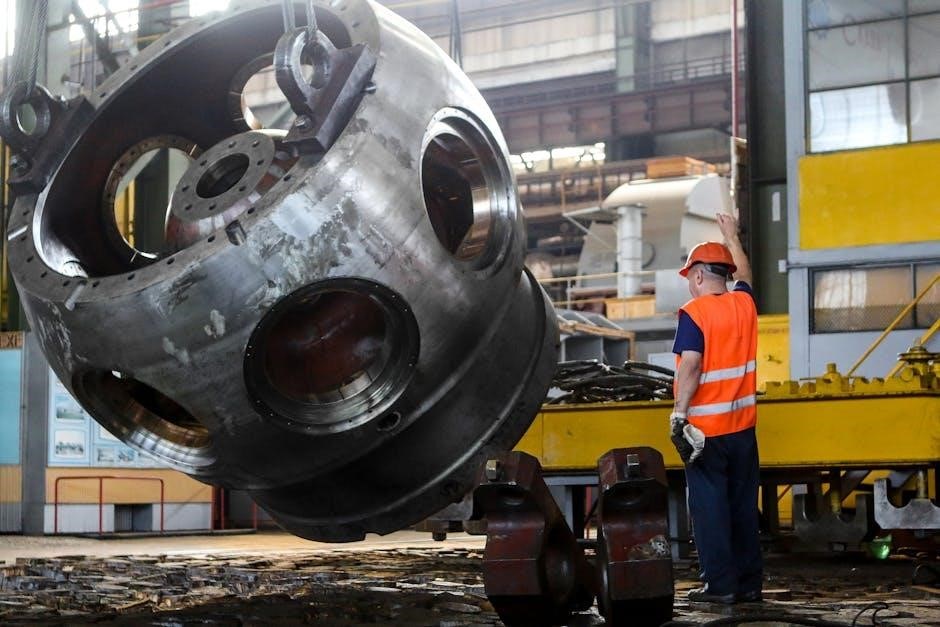
The Manual Handling Operations Regulations 1992
These regulations were established to implement the EC Directive 90/269/EEC, aiming to reduce risks associated with manual handling activities at work.
Key Objectives of the Regulations
The primary goal of the Manual Handling Operations Regulations 1992 was to significantly reduce the risk of musculoskeletal disorders (MSDs) caused by manual handling in the workplace. Prior to these regulations, injury rates were alarmingly high, prompting the implementation of EC Directive 90/269/EEC into UK law.
Specifically, the regulations aimed to ensure employers conduct thorough risk assessments to identify hazardous manual handling tasks. Following assessment, employers are obligated to implement control measures – prioritizing elimination of risks, then engineering controls, organizational changes, and finally, individual training.
Ultimately, the regulations sought to protect employees’ health and safety by promoting safer working practices and reducing the incidence of debilitating injuries stemming from manual handling activities, encompassing both inanimate objects and people/animals.
Legal Basis: EC Directive 90/269/EEC
The Manual Handling Operations Regulations 1992 directly stemmed from the European Community Council Directive 90/269/EEC, concerning the minimum safety and health requirements for manual handling of loads where there is a risk of back injury. This directive recognized the widespread prevalence of MSDs across Europe, linked to poor manual handling practices;
EC Directive 90/269/EEC mandated member states to implement national legislation to protect workers. The directive emphasized a preventative approach, requiring employers to assess risks, implement control measures, and provide adequate training.
The UK’s implementation, the 1992 Regulations, aimed to transpose the directive’s principles into British law, establishing a legal framework for managing manual handling risks and ensuring a safer working environment for all employees.
Scope of the Regulations: What Activities are Covered?
The Manual Handling Operations Regulations 1992 possess a remarkably broad scope, extending far beyond simply lifting boxes. They encompass any transporting or supporting of a load – including lifting, lowering, pushing, pulling, carrying, twisting, or bending – by hand or bodily force.
Crucially, the regulations aren’t limited to inanimate objects. They explicitly include moving people and animals, recognizing the inherent risks involved in assisting or supporting individuals. This expansive definition ensures comprehensive protection for workers across diverse industries.
Essentially, any activity where physical effort is used to move or support a load, potentially causing injury, falls under the purview of these regulations, demanding a thorough risk assessment and appropriate control measures.
Defining ‘Manual Handling’ – A Broad Interpretation
The Regulations adopt a deliberately wide definition of ‘manual handling’. It isn’t restricted to the traditional image of lifting heavy objects; it encompasses any activity requiring the use of bodily force to move or support loads.
This includes actions like lifting, lowering, pushing, pulling, carrying, twisting, bending, and even supporting weights. The scope extends beyond just objects, explicitly covering the movement of people and animals, acknowledging the unique challenges these present.
This broad interpretation is fundamental to the regulations’ effectiveness, ensuring that a wide range of workplace activities are subject to risk assessment and control measures, ultimately protecting a greater number of workers from potential harm.
The Hierarchy of Control Measures
Following the introduction of the Manual Handling Operations Regulations 1992, a structured approach to risk management was established – the hierarchy of control measures. This prioritizes eliminating risks at the source, rather than relying on individual protective measures.
The hierarchy begins with elimination – can the manual handling task be removed entirely? If not, substitution is considered – can a mechanical aid replace manual effort? Engineering controls, like adjustable work surfaces, follow, then organizational changes, such as rotating tasks.
Finally, individual capabilities are addressed through training and safe work practices. This tiered system ensures a proactive and comprehensive approach to minimizing manual handling risks, reflecting the regulations’ core objective.
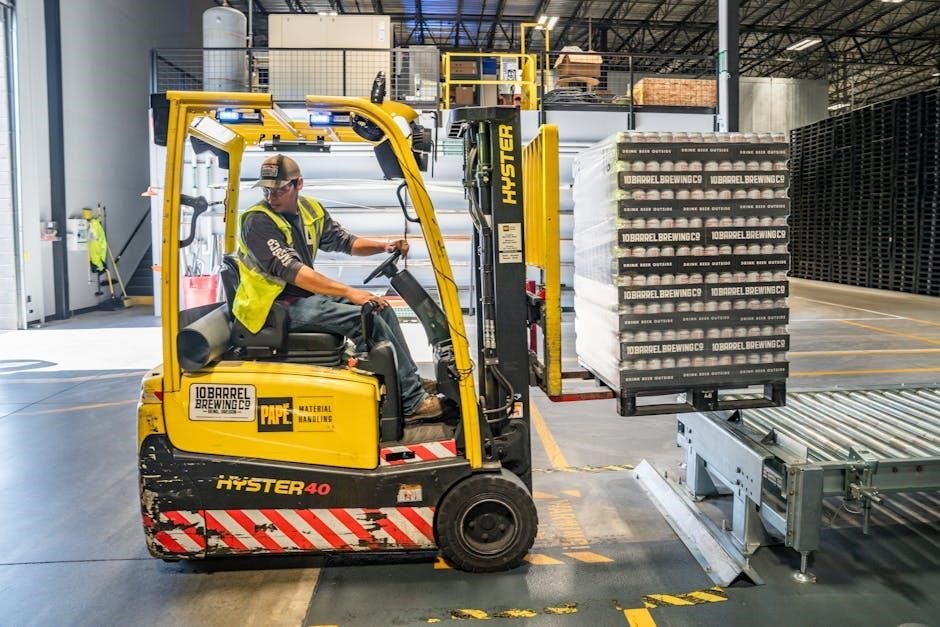
Detailed Examination of Regulation Requirements
Regulations demand thorough risk assessments to pinpoint hazardous manual handling activities, necessitating employers to implement robust reduction measures and provide adequate employee training.
Risk Assessment: Identifying Hazardous Manual Handling
A comprehensive risk assessment is the cornerstone of compliance with the Manual Handling Operations Regulations 1992. Prior to these regulations, manual handling risks were often overlooked, leading to a high incidence of musculoskeletal disorders. The assessment process requires employers to meticulously examine each task involving manual handling, identifying factors that could contribute to injury.
This includes evaluating the weight of loads, the frequency and duration of handling, postures adopted, distances carried, and the working environment. The goal is to determine if the risk is ‘high’, necessitating immediate action, or if further control measures are needed. Effective risk assessment isn’t a one-time event; it requires regular review, especially when tasks or workplaces change, ensuring ongoing protection for employees.
Risk Reduction Measures: Engineering Controls
Engineering controls represent a proactive approach to minimizing manual handling risks, prioritized within the hierarchy of control measures established by the 1992 Regulations. These controls focus on modifying the workplace or equipment to reduce the demands placed on the individual. Examples include installing lifting aids like hoists or cranes, providing adjustable work surfaces to reduce bending, and utilizing mechanical handling equipment such as conveyors or trolleys.
By physically altering the task or environment, engineering controls aim to eliminate or significantly reduce the risk at its source, rather than relying on behavioral changes. This approach is particularly effective in addressing repetitive or high-risk handling operations, contributing to a safer and more efficient work environment.
Risk Reduction Measures: Organisational Controls
Organisational controls complement engineering solutions by focusing on how work is planned and managed to minimize manual handling risks. These measures involve implementing safe systems of work, including rotating tasks to reduce repetitive strain, providing adequate rest breaks, and optimizing workflow to minimize carrying distances.
Effective organizational controls also encompass proper load distribution, ensuring employees aren’t overloaded, and providing sufficient space for maneuvering. Training plays a vital role, equipping workers with the knowledge to identify risks and follow safe procedures. These controls aim to reduce exposure to hazardous manual handling through better work practices and management oversight.

Risk Reduction Measures: Individual Capabilities
Acknowledging individual capabilities is crucial for effective risk reduction, recognizing that not all employees possess the same physical strength or stamina. Assessments should consider factors like age, gender, pre-existing health conditions, and levels of fitness. Work assignments must align with these individual limitations, avoiding tasks that exceed an employee’s capacity.
Providing appropriate training tailored to individual needs is essential, alongside encouraging employees to report any discomfort or limitations. This approach ensures tasks are manageable and minimizes the risk of injury. Prioritizing employee well-being and respecting individual differences are fundamental to a safe manual handling system.
Employee Training and Information
Comprehensive employee training is a cornerstone of the Manual Handling Operations Regulations, ensuring workers understand the risks and safe practices. Training must cover proper lifting techniques, risk assessment procedures, and the use of available equipment. Information should be accessible and regularly updated, reflecting changes in work processes or regulations.
Employees need to know their responsibilities, how to report hazards, and where to find further guidance. Effective communication fosters a safety-conscious culture, empowering individuals to protect themselves and their colleagues. This proactive approach, stemming from the 1992 regulations, significantly reduces the incidence of manual handling injuries.

Amendments to the Regulations
The 2002 amendments to the Manual Handling Operations Regulations refined and clarified existing provisions, building upon the foundational principles established in 1992.
The Health and Safety (Miscellaneous Amendments) Regulations 2002
Introduced on September 17, 2002, these amendments to the Manual Handling Operations Regulations 1992 weren’t a complete overhaul, but rather a crucial refinement of the original legislation. They aimed to address ambiguities and improve the practicality of implementation across diverse workplaces. The changes stemmed from practical experiences and feedback gathered after the initial decade of the 1992 regulations being in force.
Specifically, the 2002 amendments sought to clarify aspects of risk assessment and control measures, ensuring a more consistent and effective approach to managing manual handling risks. This included reinforcing the hierarchy of control, emphasizing preventative measures, and streamlining reporting procedures. The goal was to further reduce the incidence of musculoskeletal disorders linked to manual handling tasks, building upon the positive trends already observed post-1992.
Impact of the 2002 Amendments
The 2002 amendments to the Manual Handling Operations Regulations significantly reinforced the existing framework, leading to continued improvements in workplace safety. While the initial 1992 regulations established the core principles, the amendments addressed practical challenges encountered during implementation. This resulted in a more focused and effective approach to risk management, particularly concerning the broad scope of activities covered – including handling people and animals, not just inanimate objects.
The clarified guidance facilitated better understanding among employers and employees, promoting proactive risk assessment and the implementation of appropriate control measures. Consequently, the amendments contributed to a sustained reduction in manual handling-related injuries, solidifying the regulations’ position as a cornerstone of occupational health and safety legislation.
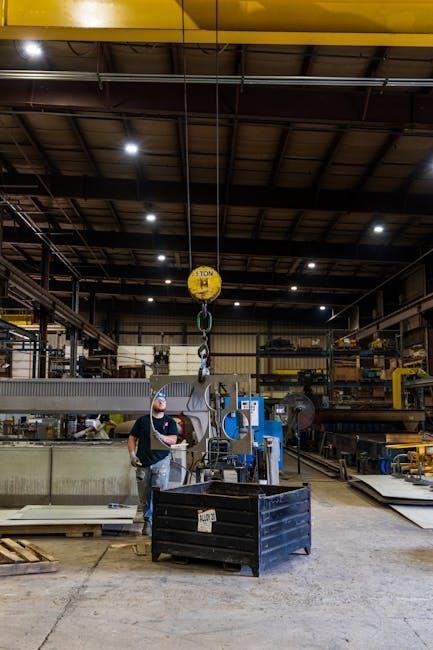
Specific Risk Factors Addressed
Regulations target hazards like heavy loads, repetitive motions, awkward postures, long distances, and unfavorable environments, all contributing to musculoskeletal injuries.
Heavy or Bulky Loads
The 1992 Regulations directly address the significant risk posed by lifting or moving excessively heavy or awkwardly sized loads. Historically, these were primary contributors to manual handling injuries, prompting the need for specific controls. The legislation aims to minimize exposure to such risks through comprehensive risk assessments and implementation of appropriate reduction measures.
These measures include redesigning tasks to reduce weight, utilizing mechanical aids like forklifts or hoists, and providing training on safe lifting techniques. Employers are legally obligated to ensure loads are kept as low as reasonably practicable, considering both the weight and the individual capabilities of employees. Ignoring these factors led to a high incidence of back pain and other musculoskeletal disorders before the regulations were enforced.
Repetitive Movements
Prior to 1992, workplaces often involved tasks demanding highly repetitive movements, leading to a surge in Repetitive Strain Injuries (RSIs). These injuries, including carpal tunnel syndrome and tendinitis, were a major concern, driving the introduction of the Manual Handling Operations Regulations. The regulations recognized that even relatively light loads, when handled repeatedly, could cause significant harm over time.
The legislation mandates employers to assess tasks for repetitive motions and implement controls to reduce their frequency or duration. This includes job rotation, redesigning work processes, and providing adequate rest breaks. The aim is to minimize cumulative stress on muscles and joints, preventing the development of debilitating RSIs and improving overall worker wellbeing. Addressing these issues was crucial for reducing workplace injuries.
Awkward Postures
Before the 1992 Regulations, many manual handling tasks forced workers into uncomfortable and unnatural body positions – awkward postures. These postures, such as twisting, bending, and reaching, significantly increased the risk of musculoskeletal disorders (MSDs). The regulations directly addressed this issue, recognizing that strain wasn’t solely about weight, but how weight was handled.
Employers are now legally obligated to assess tasks for awkward postures and implement controls. This might involve redesigning workspaces, providing adjustable equipment, or altering work methods to promote neutral body alignment. Reducing these stresses minimizes the risk of back pain, neck strain, and other MSDs, contributing to a healthier and more productive workforce. The focus shifted to proactive prevention.
Long Carrying Distances
Prior to 1992, workplaces often required employees to carry loads over extended distances, contributing significantly to fatigue and injury. The Manual Handling Operations Regulations directly responded to this prevalent risk factor, acknowledging that prolonged carrying exacerbates the strain on the body. Simply put, the further a load is carried, the greater the potential for harm.
The regulations necessitate risk assessments that specifically evaluate carrying distances. Control measures include minimizing distances wherever possible – through better workplace layout, use of mechanical aids (like trolleys), or breaking down loads into smaller, more manageable portions. Reducing these distances lessens physical stress and the likelihood of developing MSDs, fostering a safer working environment.
Unfavourable Environmental Conditions
The introduction of the Manual Handling Operations Regulations in 1992 recognized that adverse environmental factors dramatically increase the risk associated with manual handling tasks. Before these regulations, workplaces often overlooked the impact of conditions like slippery floors, extreme temperatures, or poor lighting.
These conditions compromise stability, increase the effort required for lifting and carrying, and heighten the chance of slips, trips, and falls. The regulations mandate risk assessments to identify and mitigate such hazards. Employers are obligated to provide suitable flooring, adequate lighting, and temperature control, ensuring a safer environment for manual handling activities, ultimately reducing injury rates.

Enforcement and Compliance
The Health and Safety Executive (HSE) enforces these regulations, ensuring employers adhere to legal duties and minimize manual handling risks effectively.
The Role of the Health and Safety Executive (HSE)
The Health and Safety Executive (HSE) plays a pivotal role in ensuring compliance with the Manual Handling Operations Regulations 1992, as amended. Their responsibilities encompass a wide range of activities, including providing guidance to employers and employees on best practices for safe manual handling.
Crucially, the HSE actively investigates incidents and enforces the regulations through inspections, serving notices, and pursuing prosecutions when necessary. This proactive approach aims to deter non-compliance and promote a culture of safety within workplaces. The introduction of these regulations, and the HSE’s subsequent enforcement, directly responded to a significant rise in manual handling-related injuries prior to 1992, seeking to mitigate risks and protect the workforce.
Potential Penalties for Non-Compliance
Non-compliance with the Manual Handling Operations Regulations 1992, and its 2002 amendments, can result in significant penalties for employers. The Health and Safety Executive (HSE) possesses the authority to issue improvement notices, requiring corrective actions to address identified deficiencies.
More serious breaches can lead to prohibition notices, halting specific work activities until risks are adequately controlled. Furthermore, employers face the possibility of substantial fines and, in cases of gross negligence leading to serious injury or fatality, even imprisonment. These penalties underscore the importance of proactively addressing manual handling risks, stemming from the initial need to reduce the high injury rates observed before the regulations’ introduction in 1992.
Long-Term Impact and Statistics
Post-1992, manual handling injuries demonstrably decreased, validating the regulations’ necessity, initially prompted by alarmingly high injury rates and EC directives.
Reduction in Manual Handling Injuries Post-1992
Following the implementation of the Manual Handling Operations Regulations in 1992, and subsequent amendments in 2002, a significant reduction in work-related musculoskeletal disorders (MSDs) attributable to manual handling was observed. Prior to these regulations, injury rates were consistently high, prompting the need for standardized safety measures aligned with the EC Directive 90/269/EEC.
The regulations fostered a proactive approach to risk assessment and control, shifting the focus from reactive measures to preventative strategies. This included implementing engineering controls, organizational changes, and comprehensive employee training. Statistical analysis demonstrates a clear downward trend in reported manual handling injuries, indicating the regulations’ effectiveness in safeguarding worker health and well-being. The impact continues to be monitored, with ongoing efforts to address emerging challenges.
Ongoing Challenges and Future Trends
Despite the successes of the Manual Handling Operations Regulations 1992, challenges remain. The evolving nature of work, including the growth of e-commerce and logistics, introduces new manual handling risks. Maintaining consistent compliance across diverse industries and ensuring effective risk assessments require continuous effort.
Future trends point towards increased automation and the integration of technology to minimize manual handling tasks. Focus will likely shift towards ergonomic design, preventative interventions, and personalized risk management strategies. Adapting regulations to address emerging risks, such as those associated with new materials and work processes, will be crucial for sustaining the positive impact achieved since 1992 and beyond.

Resources and Further Information
Access HSE guidance documents and industry-specific resources for detailed information on the Manual Handling Operations Regulations 1992 and amendments.
HSE Guidance Documents
The Health and Safety Executive (HSE) provides comprehensive guidance supporting the Manual Handling Operations Regulations 1992, as amended. These documents arose from a significant review by the Health and Safety Commission, responding to a clear need for improved worker protection. Prior to 1992, manual handling injuries were prevalent, prompting the implementation of EC Directive 90/269/EEC into UK law.
HSE resources detail risk assessment methodologies, control measure implementation – encompassing engineering and organizational controls – and employee training requirements. They clarify the broad scope of the regulations, extending beyond simple object movement to include people and animals. Updated following the 2002 amendments, these guides ensure employers understand their legal duties and facilitate a safer working environment, ultimately reducing the incidence of musculoskeletal disorders.
Industry-Specific Guidance
Recognizing diverse workplace challenges, numerous industries benefit from tailored manual handling guidance. The 1992 Regulations, stemming from EC Directive 90/269/EEC, addressed a widespread problem of injuries linked to manual tasks. Before their introduction, injury rates were climbing, necessitating a legal framework for risk management.
Sector-specific resources, like those from Skills for Health, provide practical advice for unique handling scenarios – healthcare, logistics, and warehousing, for example. These guides translate the core regulations into actionable steps, considering specific load types, work environments, and repetitive movement patterns. The 2002 amendments reinforced the need for proactive risk reduction, and industry guidance helps employers navigate these requirements effectively, fostering safer practices across all sectors.