guide to purchasing a kayak

Navigating the world of kayak buying requires understanding your needs and available options. Selecting a kayak that fits both your body and gear is crucial for enjoyable adventures.
Understanding Your Kayaking Needs
Before investing‚ honestly assess your intended kayaking experiences. Will you primarily explore calm lakes‚ embark on extended coastal tours‚ or navigate challenging whitewater? Consider your physical capabilities and comfort level.
Beginners often benefit from stable‚ easy-to-enter kayaks‚ while experienced paddlers may prioritize performance and maneuverability. Weight capacity is vital; ensure the kayak comfortably supports your weight plus gear – aiming for around 210 pounds is a good starting point.
Think about storage needs and desired features like self-bailing systems for efficient water drainage.

Types of Kayaks
Kayaks vary greatly‚ from recreational models for calm waters to touring kayaks built for longer journeys and specialized sit-on-top or inflatable designs.
Recreational Kayaks: For Calm Waters
Recreational kayaks are ideal for beginners and leisurely paddling on lakes‚ ponds‚ and slow-moving rivers. These boats prioritize stability and ease of use‚ often featuring wider hulls and comfortable seating. They are generally shorter and lighter than touring kayaks‚ making them easier to transport and maneuver.
While not designed for rough waters or long distances‚ recreational kayaks offer a fantastic entry point into the sport‚ providing a fun and accessible experience for paddlers of all ages. They often include features like self-bailing systems for quick water drainage.
Touring (Sea) Kayaks: For Longer Trips
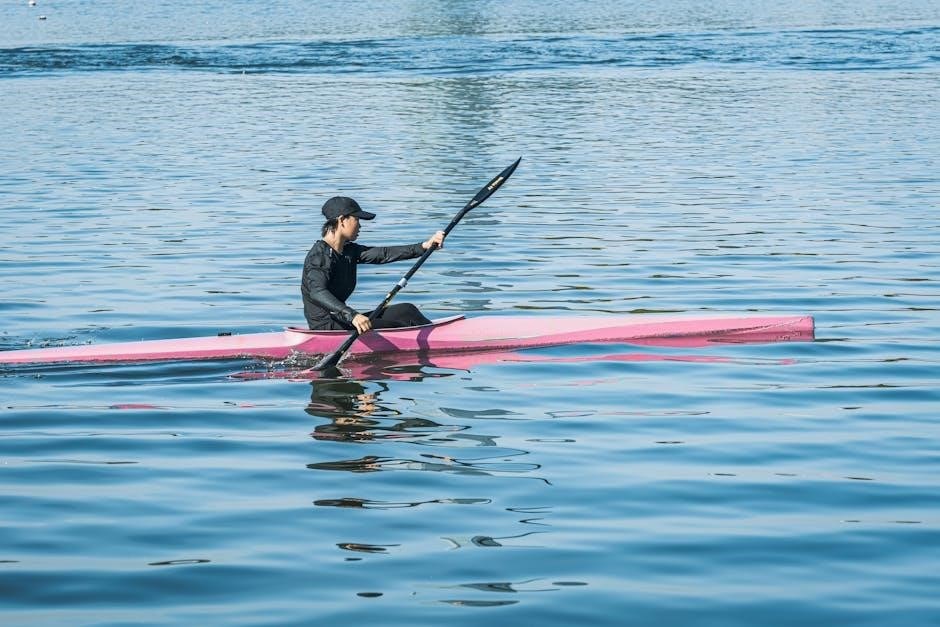
Touring kayaks‚ also known as sea kayaks‚ are built for extended adventures on open water. These kayaks prioritize efficiency‚ tracking‚ and the ability to carry substantial gear for multi-day trips. They typically feature longer‚ narrower hulls and often include features like rudder or skeg systems for improved directional control.
Experienced paddlers often favor shorter (14-16ft) roto-molded touring kayaks for versatility‚ even in challenging conditions like wind and waves. Prioritizing gear weight is key for optimal performance.
Sit-On-Top Kayaks: Easy Access & Stability
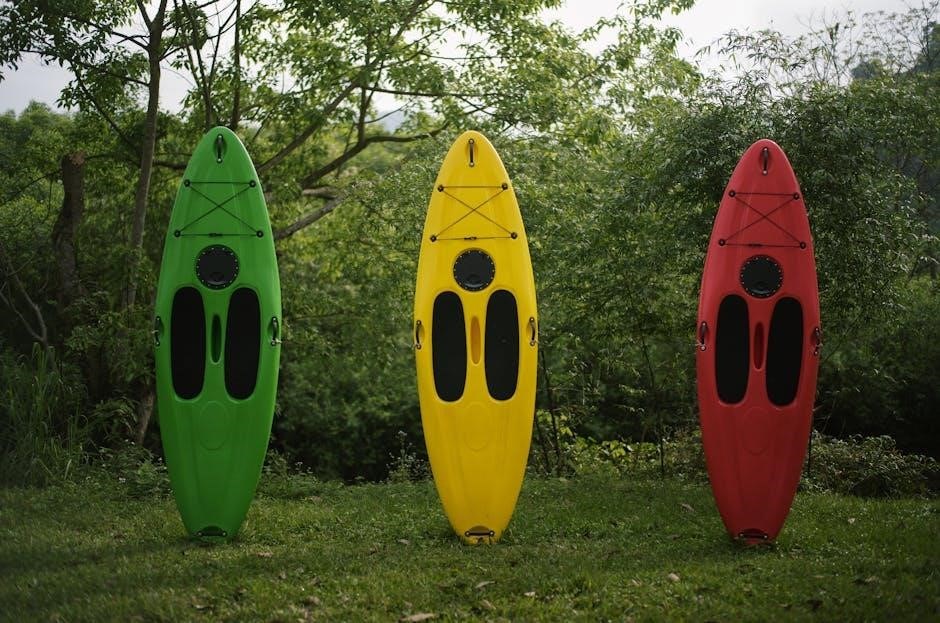
Sit-on-top kayaks offer exceptional stability and ease of access‚ making them ideal for recreational paddling and warm-weather conditions. Their self-bailing design‚ featuring scupper holes‚ automatically drains water‚ enhancing safety and convenience.
These kayaks provide ample storage space on the deck and within the hull‚ sometimes including rod holders for fishing enthusiasts. They are known for better mobility‚ allowing easy entry and exit from the water.
Inflatable Kayaks: Portability & Storage
Inflatable kayaks represent a fantastic option for those prioritizing portability and convenient storage. These kayaks deflate and roll up compactly‚ making them easy to transport and store in limited spaces – a true advantage for urban dwellers or travelers.
Despite their packable nature‚ modern inflatable kayaks offer surprising durability and performance‚ suitable for calm lakes and gentle rivers. They are a great entry point into kayaking!

Kayak Materials
Kayak construction significantly impacts performance‚ durability‚ and cost. Common materials include polyethylene (plastic) for affordability and composites (fiberglass/carbon fiber) for lightweight strength.
Polyethylene (Plastic) Kayaks: Durability & Cost
Polyethylene kayaks‚ often referred to as roto-molded (RM) kayaks‚ are a popular choice‚ especially for beginners and those seeking rugged durability. These kayaks are incredibly resistant to impacts‚ making them ideal for navigating rocky shorelines‚ surf‚ or tide races.
Their affordability is another significant advantage‚ offering a lower entry point into the sport. While generally heavier than composite options‚ shorter polyethylene touring kayaks (14-16 feet) provide excellent maneuverability and are well-suited for playful paddling and learning essential techniques.
Composite (Fiberglass/Carbon Fiber) Kayaks: Performance & Weight
Composite kayaks‚ constructed from materials like fiberglass or carbon fiber‚ prioritize performance and reduced weight. These kayaks offer a significant advantage in terms of speed‚ efficiency‚ and overall paddling experience‚ particularly for longer distances and touring.
Their lighter construction makes them easier to carry and maneuver. However‚ this comes at a higher price point and generally less impact resistance compared to polyethylene models. Careful handling is essential to prevent damage‚ but the enhanced performance is often worth the investment for serious paddlers.
Key Features to Consider
Essential features include weight capacity‚ self-bailing systems for drainage‚ and ample cargo space for gear. Prioritize these aspects for a safe‚ comfortable kayaking experience.
Weight Capacity: Ensuring Safe Paddling
Determining the correct weight capacity is paramount for kayak safety and performance. Manufacturers specify a maximum weight limit‚ and exceeding it compromises stability‚ increasing the risk of capsizing‚ especially in challenging conditions.
A kayak struggling under excessive weight will handle poorly and be difficult to maneuver. Always check manufacturer guidelines and realistically assess your total weight – including your body weight plus all gear‚ such as paddles‚ safety equipment‚ and any provisions you plan to carry. Prioritize a kayak that comfortably accommodates your needs.
Self-Bailing Systems: Water Drainage
Effective water drainage is a key feature‚ particularly for kayaks used in dynamic environments. Self-bailing systems‚ commonly found in sit-on-top kayaks‚ utilize scupper holes to automatically drain water that enters the cockpit.
This feature enhances mobility and prevents the kayak from becoming swamped. It’s incredibly useful when navigating waves‚ surf‚ or tide races. A well-designed self-bailing system contributes significantly to a safer and more enjoyable paddling experience‚ allowing for quicker recovery from splashes or minor waves.
Cargo Space: Storage Options
Adequate cargo space is essential for longer trips or carrying essential gear. Many kayaks offer storage options on the deck‚ often with bungee cords for securing items. Internal hull storage provides protected space for valuables or larger objects.
Some models even include or offer the option to add rod holders for anglers. Consider your typical kayaking activities and the amount of gear you’ll need to carry when evaluating storage capacity.

Sizing and Fit
Proper kayak sizing impacts speed and maneuverability; cockpit size ensures comfort and easy access. A well-fitted kayak enhances control and overall paddling experience.
Kayak Length: Impact on Speed & Maneuverability
Kayak length significantly influences performance characteristics. Shorter kayaks (14-16 feet) excel in playful conditions like wind‚ surf‚ and rock gardens‚ offering enhanced maneuverability. These are suitable for both novices and experienced paddlers seeking agility. Longer kayaks generally track straighter and maintain speed more efficiently over distance‚ ideal for touring. However‚ they can be less responsive in tight spaces. Consider your primary paddling environment and desired style when choosing a length‚ balancing speed with the ability to navigate varied waters effectively.
Cockpit Size: Comfort & Access
The cockpit’s dimensions are vital for comfort and ease of entry/exit. A properly sized cockpit allows for a secure and comfortable fit‚ enhancing paddling efficiency. Larger cockpits offer easier access‚ particularly for those with limited flexibility or larger builds. Smaller cockpits provide a tighter fit‚ improving control‚ especially in rougher waters. Ensure sufficient legroom and hip contact for optimal performance and a secure connection with the kayak. Prioritize a cockpit that accommodates your body type and intended use.

Essential Accessories
Beyond the kayak itself‚ crucial accessories include paddles and life vests (PFDs) for safety. Spray skirts help keep you dry during paddling excursions.
Paddles: Choosing the Right Type
Selecting the appropriate paddle significantly impacts your kayaking experience. Consider blade shape – wider blades offer more power‚ while narrower blades prioritize speed. Material matters too; fiberglass is lightweight‚ while plastic is durable and affordable.
Paddle length is crucial‚ generally matching your height and kayak width. A properly sized paddle reduces strain and maximizes efficiency. Explore different grips for comfort during extended paddling sessions‚ ensuring a secure and enjoyable grip for optimal control on the water.
Life Vests (PFDs): Safety First
Prioritizing safety begins with a properly fitted Personal Flotation Device (PFD). Ensure the PFD is US Coast Guard approved and suitable for your kayaking environment. Consider the type – vest‚ jacket‚ or inflatable – based on comfort and activity level.
A snug fit is essential; test it in the water. Regularly inspect your PFD for damage. Wearing a PFD dramatically increases your chances of survival in case of a capsize‚ making it a non-negotiable safety item.
Spray Skirts: Keeping Dry
Spray skirts are vital for kayakers venturing into cooler waters or rough conditions. These coverings seal around the cockpit‚ preventing water from entering the kayak and keeping you drier and warmer. Choose a skirt compatible with your cockpit size and kayak type.
Materials range from nylon to neoprene‚ offering varying levels of waterproofing and flexibility. A secure fit is crucial to prevent the skirt from slipping during paddling‚ enhancing overall comfort and safety.
Budget and Price Range
Kayak prices vary widely‚ from affordable entry-level options to high-end performance models. Consider your budget and intended use when making a purchase decision.
Entry-Level Kayaks: Affordable Options
For newcomers to kayaking‚ entry-level models present a cost-effective starting point. These kayaks‚ typically constructed from polyethylene plastic‚ prioritize durability and stability over advanced features or lightweight materials. Expect to find recreational kayaks within this price range‚ ideal for calm waters like lakes and slow-moving rivers.
While they may not offer the speed or maneuverability of higher-end kayaks‚ they provide a fantastic opportunity to learn basic paddling skills and determine your kayaking preferences without a significant financial investment. Weight capacity is a key consideration‚ ensuring it comfortably accommodates your weight.
Mid-Range Kayaks: Balancing Features & Price
Stepping up from entry-level‚ mid-range kayaks offer a compelling blend of affordability and enhanced performance. These often feature improved hull designs for better tracking and efficiency‚ alongside more comfortable seating and adjustable footrests. Materials may include upgraded polyethylene or even composite blends‚ reducing weight slightly.
You’ll find options suitable for both recreational paddling and light touring‚ with increased cargo space and potentially self-bailing systems for added convenience. Carefully assess weight capacity and intended use to find the optimal balance for your needs.
High-End Kayaks: Performance & Investment
High-end kayaks represent a significant investment‚ prioritizing performance‚ weight‚ and durability. Constructed from advanced composites like carbon fiber or fiberglass‚ these kayaks are remarkably lightweight and efficient‚ ideal for serious touring and challenging conditions. Expect refined hull designs for superior speed‚ maneuverability‚ and tracking.
Features often include premium seating‚ advanced rudder systems‚ and ample‚ well-designed storage. These kayaks cater to experienced paddlers seeking the ultimate on-water experience and are built to last.

Where to Buy
Kayak purchases can be made through local retailers offering expert advice‚ or online‚ providing a wider selection of models and brands to choose from.
Local Kayak Retailers: Expert Advice
Visiting local kayak retailers offers a significant advantage: personalized guidance from knowledgeable staff. These experts can assess your kayaking needs‚ recommend suitable models‚ and provide valuable insights into features and accessories.
They often allow you to “test paddle” kayaks‚ ensuring a comfortable fit and feel before committing to a purchase.
Furthermore‚ local shops frequently offer workshops and clinics‚ enhancing your skills and safety on the water. Building a relationship with a local retailer can provide ongoing support and maintenance advice‚ fostering a lasting kayaking experience.
Online Retailers: Wider Selection
Online retailers present a vast and diverse catalog of kayaks‚ often exceeding the inventory of local stores. This expansive selection allows for detailed comparison shopping‚ uncovering competitive pricing and unique models. However‚ the absence of in-person testing necessitates thorough research‚ including reading reviews and carefully examining specifications.
Consider shipping costs and return policies before finalizing your purchase. While convenience is a key benefit‚ expert advice isn’t readily available‚ so prior knowledge is helpful.
Maintenance and Care
Regular cleaning prevents damage‚ while proper storage safeguards your kayak investment. Protecting your kayak from the elements extends its lifespan and maintains performance.
Cleaning Your Kayak: Preventing Damage
Consistent cleaning is vital for kayak longevity. After each use‚ rinse thoroughly with fresh water to remove salt‚ sand‚ and debris. Mild soap and a soft sponge can tackle stubborn grime‚ but avoid harsh chemicals that degrade materials. Inspect for scratches or cracks‚ addressing them promptly to prevent further damage. UV exposure can also harm kayaks; storing it covered or in the shade is recommended. Regular cleaning preserves performance and extends your kayak’s life‚ ensuring many paddling adventures to come.
Storage: Protecting Your Investment
Proper storage safeguards your kayak from the elements and potential damage. Ideally‚ store it indoors‚ away from direct sunlight and extreme temperatures. If outdoor storage is necessary‚ use a kayak cover to shield it from UV rays. Support the kayak evenly to prevent warping – avoid prolonged pressure points. Consider storing it on its side or suspended to maintain hull shape. Secure it against wind and theft‚ ensuring your investment remains ready for future paddling excursions.

Safety Considerations
Prioritize safety by understanding water conditions and mastering basic paddling techniques. Always wear a life vest (PFD) and be aware of your surroundings for a secure experience.
Understanding Water Conditions
Before embarking on any kayaking adventure‚ thoroughly assess the prevailing water conditions. This includes checking the weather forecast for potential changes in wind speed and direction‚ as these significantly impact stability. Be mindful of currents‚ tides‚ and potential obstacles like rocks or submerged debris.
Understanding these elements is paramount for safe paddling‚ especially for novices. Always paddle within your skill level and avoid challenging conditions until you gain experience. Recognizing and respecting the power of the water is fundamental to a rewarding kayaking experience.
Basic Paddling Techniques
Mastering fundamental paddling techniques is essential for efficient and safe kayaking. Proper stroke form‚ including torso rotation and reaching forward‚ maximizes power and minimizes fatigue. Learn the forward stroke‚ sweep stroke for turning‚ and bracing techniques for stability.
Practicing self-rescue maneuvers‚ like re-entry and roll techniques‚ builds confidence. Consider taking a lesson from a certified instructor to refine your skills and ensure proper form before venturing out independently.