cake guide servings
Cake Guide: Determining Servings – A Comprehensive Plan
Navigating cake servings can be tricky! This comprehensive guide offers bakers and party planners essential tools for accurate portioning, ensuring delightful experiences.
From understanding standard slice sizes to accounting for varied appetites, we’ll explore everything needed to confidently determine the perfect amount of cake.
Wilton’s charts, visual guides, and considerations for weddings and dietary needs will be covered, helping you avoid waste and satisfy every guest’s sweet tooth.
Understanding Cake Serving Sizes
Defining a “serving” of cake isn’t always straightforward. Traditional guidelines, like those from Wilton, often base servings on a wedge-shaped slice, but slice size can dramatically vary. A standard serving is generally considered around 1.5 x 2 inches, but this is heavily influenced by cake height and density.
Factors like guest demographics play a crucial role; children typically consume less than adults. Moreover, individual preferences differ – some guests may desire a larger piece, while others prefer a smaller taste. It’s essential to acknowledge that a “party serving” isn’t necessarily the same as a formal, plated dessert portion.
Understanding these nuances is vital for accurate planning. Simply relying on cake dimensions without considering these variables can lead to either insufficient cake or excessive leftovers. A thoughtful approach to serving size ensures everyone enjoys a satisfying piece without unnecessary waste, contributing to a successful event.
Why Accurate Serving Sizes Matter
Precisely estimating cake servings impacts both budget and guest satisfaction. Underestimating leads to disappointment, potentially ruining the celebratory atmosphere, while overestimating results in significant food waste and unnecessary expense. Accurate planning demonstrates consideration for your guests and responsible event management.
For weddings, precise calculations are particularly critical, given the substantial cost of these events. Avoiding a cake shortage prevents embarrassing situations and ensures everyone gets to partake in this traditional treat. Conversely, excessive leftovers require storage and may not be enjoyed.
Beyond the practical aspects, accurate serving sizes reflect thoughtfulness. It shows you’ve considered your guests’ enjoyment and planned accordingly. Utilizing cake serving charts and adjusting for factors like cake density and guest demographics demonstrates a commitment to a well-executed and memorable event.
Wilton’s Cake Serving Guide: An Overview
Wilton offers a widely recognized and comprehensive cake serving guide, a cornerstone resource for bakers and event planners. Their charts detail expected servings based on cake shape (round, square) and size (6-inch to 12-inch), providing a foundational starting point for portion planning;
The guide typically assumes standard slice sizes, but acknowledges the need for adjustments. It’s important to note, as some online discussions highlight, that Wilton’s guide may not perfectly account for cake height; a taller cake logically yields more servings than indicated for a standard height.
Wilton’s ultimate guide helps determine how much batter or icing is needed, alongside serving yields. While a valuable tool, it’s often recommended to interpret their suggestions with a degree of flexibility, considering individual guest appetites and the overall event context.
Round Cake Serving Chart
Round cakes are a classic choice, and determining servings relies on diameter. A 6-inch round cake generally yields 12 servings, perfect for smaller gatherings. Scaling up, an 8-inch round cake typically serves 16, accommodating a moderate-sized group.
For larger events, a 10-inch round cake can provide 24 servings, while a substantial 12-inch round cake often serves 32 or more guests. These numbers are based on standard slice sizes, assuming a relatively uniform cutting pattern.
Visual cake serving guides, readily available online and on platforms like Etsy, illustrate these portions clearly. Remember that cake height impacts actual servings; taller cakes allow for thinner, more numerous slices. Always consider your audience and adjust accordingly for generous or modest portions.
6-inch Round Cake Servings
A 6-inch round cake is an excellent choice for intimate celebrations, typically serving 12 standard portions. This size is ideal for small families, close friends, or as a supplemental cake alongside a larger dessert spread.
However, serving sizes can fluctuate based on slice thickness and guest appetites. If you anticipate larger portions, or a preference for more substantial slices, planning for 10 servings might be prudent. Conversely, for dainty bites or a crowd that enjoys a variety of desserts, you could comfortably stretch it to 14.
Remember to consider the cake’s height; a taller 6-inch cake allows for thinner, more numerous slices. Utilizing a visual guide can help visualize portioning and ensure adequate cake for everyone.
8-inch Round Cake Servings
An 8-inch round cake strikes a balance, often serving between 16 and 24 guests, making it a popular choice for medium-sized gatherings. Wilton’s guide suggests this size comfortably accommodates a standard party, offering flexibility in portioning.
For traditional servings, aiming for 16 slices is a safe bet, providing generous portions for most attendees. If you anticipate lighter appetites or a wider dessert selection, increasing to 20 or even 24 servings is advisable. Remember, erring on the side of abundance is often preferred, especially at events.
Cake height significantly impacts serving potential. A taller cake allows for thinner, more elegant slices, increasing the overall yield. Visual serving guides are invaluable for accurately estimating portions and ensuring everyone enjoys a piece!
10-inch Round Cake Servings
A 10-inch round cake is a substantial centerpiece, typically yielding 28 to 40 servings – ideal for larger celebrations and gatherings. This size offers ample cake for a considerable guest list, providing a satisfying dessert experience for all.
Wilton’s serving charts recommend planning for 28 traditional servings, ensuring generous portions. However, adjusting based on guest demographics is crucial. For events with many children or those offering a diverse dessert spread, increasing to 32 or even 40 servings is a prudent approach.
Consider the cake’s height; taller cakes allow for thinner slices, maximizing the number of servings. Utilizing visual guides can greatly assist in accurately visualizing portion sizes and preventing waste. Remember, a plentiful cake is a hallmark of a successful event!
12-inch Round Cake Servings
A 12-inch round cake is a truly impressive creation, designed to serve a significant number of guests – typically ranging from 48 to 60 servings. This substantial size is perfect for large weddings, milestone birthdays, or grand celebrations where a generous dessert offering is desired.
Wilton’s guidelines suggest planning for 48 traditional servings, providing ample cake for each attendee. However, factoring in potential variations in appetite and the presence of other desserts is essential. Increasing the estimated servings to 54 or even 60 ensures everyone enjoys a slice without feeling shortchanged.
The cake’s height plays a crucial role; taller tiers allow for thinner, more elegant slices, maximizing the overall serving count. Employing visual serving guides aids in accurate portioning and minimizes leftover cake, contributing to a well-planned and successful event.
Square Cake Serving Chart
Square cakes offer a modern aesthetic and efficient serving potential, making them a popular choice for various events. Determining the correct serving size for a square cake requires considering its dimensions, as the number of servings differs significantly from round cakes of comparable size.
Unlike round cakes, square cakes are typically cut into neat, geometric portions. This allows for more precise portion control and minimizes waste. Visual guides are particularly helpful when working with square cakes, illustrating optimal cutting patterns for maximizing servings.
The following sections detail serving estimates for 6-inch, 8-inch, 10-inch, and 12-inch square cakes. Remember to adjust these numbers based on cake height, desired slice size, and the overall dessert spread. Accurate planning ensures a delightful experience for all your guests!
6-inch Square Cake Servings
A 6-inch square cake is ideal for intimate gatherings, typically serving between 12 and 16 guests. This size is perfect for small families, office celebrations, or as part of a larger dessert buffet. However, serving estimations depend heavily on how the cake is cut and the desired portion size.
Traditionally, a 6-inch square cake is cut into 12 equal squares, providing a standard serving for each guest. For more generous portions, or if the cake is particularly dense, reducing the number of servings to 9-10 might be preferable. Consider the overall menu; if other desserts are available, smaller slices are acceptable.
Remember that Wilton’s guides often suggest party servings, which are smaller than standard portions. Adjust accordingly based on your guests’ appetites and the event’s formality. Visual aids can help demonstrate appropriate slice sizes.
8-inch Square Cake Servings
An 8-inch square cake strikes a balance, comfortably serving 16 to 24 people. This size is a popular choice for medium-sized parties, birthdays, and smaller wedding receptions. Accurate serving estimations are crucial to ensure everyone enjoys a slice without excessive leftovers.
A standard cut yields 16 servings, offering a reasonable portion size for most guests. For larger appetites or a more substantial dessert offering, consider cutting into 12 servings. Conversely, if the cake is part of a larger dessert spread, 20-24 smaller slices are appropriate.
Remember to factor in cake height; taller cakes can yield more servings. Wilton’s serving charts provide a starting point, but adjusting based on guest preferences and the event’s context is key. Visual guides can aid in consistent slice sizing.
10-inch Square Cake Servings
A 10-inch square cake is a substantial centerpiece, typically serving 25 to 32 guests. This size is well-suited for larger gatherings, celebrations, and medium-sized wedding receptions where a generous dessert offering is desired. Careful planning is essential to avoid waste or running out of cake.
Standard serving sizes suggest 25 portions, providing a satisfying slice for each attendee. For a more lavish dessert experience, or if the cake is a focal point of the event, consider 20 larger servings. Alternatively, for a dessert buffet, 32 smaller portions can be cut.
Cake height significantly impacts the number of servings; taller cakes yield more. Utilize Wilton’s serving guides as a baseline, but adjust based on guest demographics and the overall event style. Consistent slice sizes, aided by visual guides, are recommended.
12-inch Square Cake Servings
A 12-inch square cake is a truly impressive dessert, designed for larger events and substantial guest lists. Typically, this size yields between 48 and 64 servings, making it ideal for weddings, large parties, or corporate celebrations. Accurate estimation is crucial to ensure everyone enjoys a slice without excessive leftovers.
Standard serving suggestions propose 48 portions, offering a generous slice to each guest. For a more abundant dessert spread, or if the cake is a key event feature, consider 40 larger servings. Conversely, for a buffet-style arrangement, up to 64 smaller portions can be cut.
Remember that cake height dramatically influences serving capacity; taller cakes provide more. Refer to Wilton’s charts as a starting point, but adjust based on attendee preferences and the event’s overall ambiance. Consistent slice sizes, aided by visual guides, are highly recommended for equitable distribution.
Cake Height and Serving Adjustments
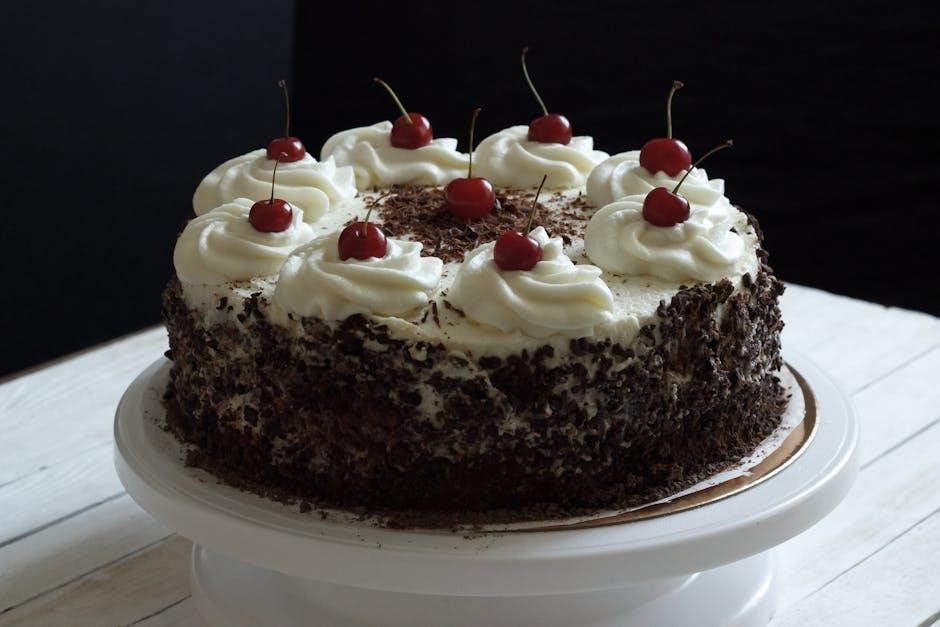
Cake height is a significant, often overlooked, factor when determining serving sizes. While diameter provides a base estimate, a taller cake inherently yields more portions than a shorter one of the same diameter. Standard serving charts often assume a single-layer, or relatively low-profile cake, typically around 3-4 inches in height.
For cakes exceeding this height – such as tiered creations or those with substantial filling – adjustments are essential. Each additional inch of height can add approximately 8-12 servings to a standard chart’s estimate. Visual guides are particularly helpful here, demonstrating how slice size changes with increased height.
Consider the density of the cake as well; a light and airy sponge will compress more easily than a dense pound cake. Always err on the side of generosity, especially for events where cake is a focal point. Accurate adjustments ensure a delightful experience for all guests.
Standard Cake Slice Size
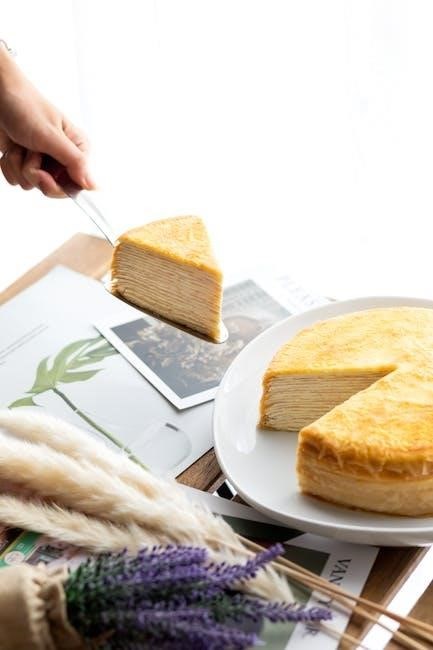
Defining a “standard” cake slice is surprisingly nuanced. Traditionally, a standard serving is considered a wedge with a 1-inch point, measuring approximately 1.5 x 2 inches at the base. This equates to roughly 1/12th of a standard 9-inch round cake, yielding about 12 servings. However, this is merely a guideline.
Modern trends often lean towards slightly smaller, more refined portions, particularly at events with extensive dessert options. The density of the cake also plays a role; richer, denser cakes warrant smaller slices to avoid overwhelming guests. Conversely, lighter, airier cakes can accommodate slightly larger portions.
Ultimately, the ideal slice size balances guest satisfaction with minimizing waste. Visual guides demonstrating various slice sizes can be incredibly helpful in setting expectations and ensuring consistent portions.
Wedding Cake Serving Considerations
Wedding cake serving estimations require careful planning. Unlike casual parties, weddings often involve a wider range of guests with varying appetites. It’s crucial to differentiate between adult and child servings; children typically consume smaller portions. A conservative estimate is to plan for 75-80% of adults wanting a slice.
Don’t forget to account for vendor meals and staff! Include extra servings for the photographer, DJ, and other professionals assisting with the event. Erring on the side of plentiful is advisable, but avoid excessive waste. A Reddit discussion highlighted the importance of adjusting slice size based on cake height – thinner slices for taller cakes.
Consider offering alternative desserts alongside the cake to cater to diverse preferences and reduce pressure on cake quantities.
Adult vs. Child Servings
Determining appropriate serving sizes hinges on age. Adult servings generally assume a standard slice, typically around 1.5 to 2 inches wide and a proportional depth, offering a satisfying portion. However, children’s appetites are considerably smaller.
Child servings should be approximately half the size of an adult portion, reflecting their lower consumption capacity. This doesn’t necessarily mean halving the width; reducing the depth of the slice is often more effective. Consider the age range of the children attending – younger children will require even smaller portions.
Accurately estimating these differences prevents waste and ensures everyone enjoys a treat without feeling overwhelmed. Planning for roughly 50% of a child’s adult equivalent is a safe starting point, adjusting based on the specific event and guest demographics.
Accounting for Staff & Extra Guests
Don’t overlook those assisting behind the scenes! When calculating cake servings, remember to include portions for event staff – caterers, servers, and anyone working at the event who might appreciate a slice. A conservative estimate of 10% of the guest count is a good starting point for staff allocation.
Furthermore, anticipate potential “extra” guests. Unexpected attendees often arise, especially at weddings or larger celebrations. Adding a buffer of 5-10% to your total serving estimate provides a safety net, preventing a shortage and ensuring everyone receives a piece.
Err on the side of generosity; a slightly larger cake is preferable to running out. Careful planning, including staff and potential extras, demonstrates thoughtful hospitality and avoids disappointment.
The Impact of Cake Density on Servings
Cake density significantly influences serving sizes. A light and airy sponge cake will yield more servings per cake than a dense, rich cake like a pound cake or a heavily frosted creation. Wilton’s guides often assume a standard density, so adjustments are crucial.
Denser cakes require smaller, more substantial slices to provide a satisfying portion. Conversely, lighter cakes can be cut into slightly larger slices without overwhelming guests. Consider the overall richness of the cake; a very sweet or buttery cake necessitates smaller servings.
Visually assess the cake’s texture. If it’s exceptionally dense, reduce the estimated servings by 10-20% to ensure adequate portions for everyone. Prioritize guest satisfaction by factoring in this important element.
Serving Size Variations: Traditional vs. Modern
Cake serving sizes have evolved over time; Traditionally, cake slices were often larger, reflecting a more celebratory and indulgent approach. Modern trends lean towards slightly smaller, more manageable portions, acknowledging diverse dietary preferences and a desire to sample multiple desserts.
Traditional servings, particularly at weddings, might have been based on generous wedges, assuming guests would eagerly consume a substantial piece. Today, a more refined approach considers a balance between enjoyment and avoiding excessive waste.
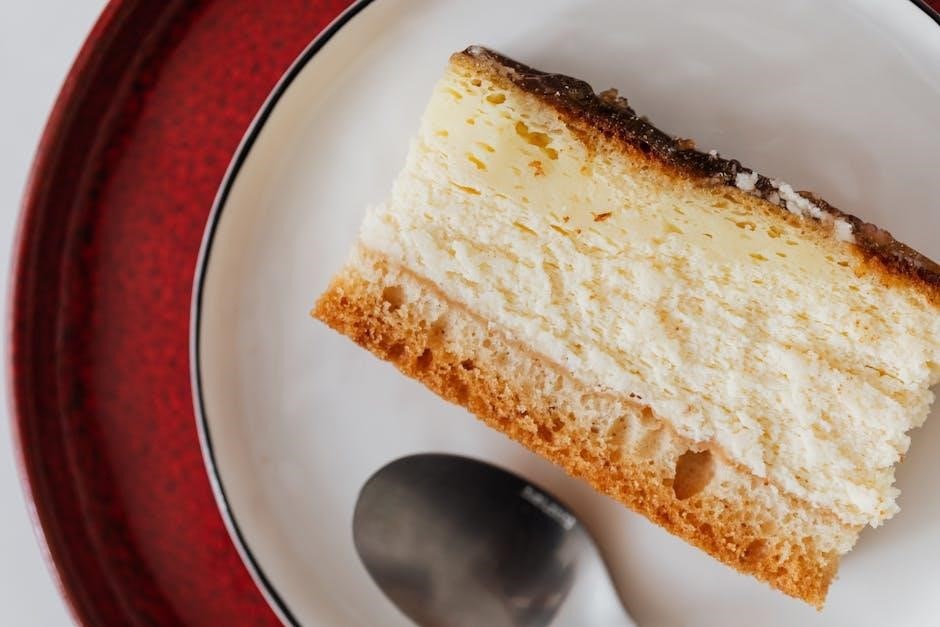
Contemporary bakers often favor a more elegant presentation with smaller, beautifully decorated slices. This allows guests to appreciate the artistry of the cake while still enjoying a satisfying treat. Consider your audience and the event’s style when determining appropriate serving sizes.
Visual Cake Serving Guides: Benefits
Visual cake serving guides offer significant advantages for both professional bakers and home enthusiasts. These guides, often depicting cakes with overlaid serving lines, provide an immediate and intuitive understanding of potential yields. They eliminate guesswork and reduce the risk of under or overestimating portions.
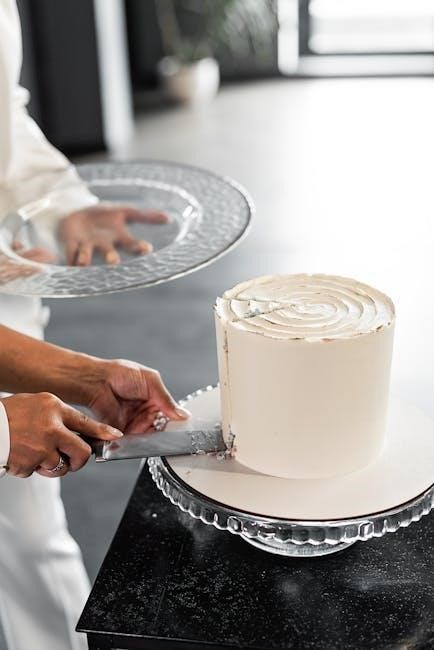
Unlike relying solely on numerical charts, visual guides demonstrate how different cutting patterns impact slice size and shape. This is particularly helpful for tiered cakes or unconventional shapes. They are easily accessible, often available on Etsy and through resources like Wilton, simplifying the planning process.
For event planners, visual guides ensure accurate ordering and minimize leftover cake. They also aid in presenting the cake attractively, maximizing its visual appeal and guest satisfaction. A clear visual is worth a thousand numbers!
Common Mistakes in Estimating Cake Servings
Accurately estimating cake servings is surprisingly challenging, and several common mistakes can lead to either shortages or excessive waste. A frequent error is assuming all guests will consume a standard slice; dietary restrictions, preferences, and varying appetites exist.
Many overlook the impact of cake height. Simply applying a two-dimensional chart to a taller cake results in underestimation. Ignoring the density of the cake is another pitfall – richer, denser cakes naturally yield smaller servings.
Furthermore, relying solely on Wilton’s party serving sizes for weddings is often insufficient. Reddit discussions highlight the need to adjust for a broader range of guests and potential staff consumption. Failing to account for these factors can significantly impact your cake planning!
Adjusting for Different Dietary Needs (Smaller Portions)
Catering to diverse dietary needs requires thoughtful portion adjustments. Guests with diabetes, gluten sensitivities, or those simply watching their sugar intake often prefer – or require – smaller cake servings.
Offering a dedicated smaller-slice option demonstrates consideration and inclusivity. This doesn’t necessitate a separate cake; strategically cutting smaller wedges from the main cake is effective. Consider clearly labeling these portions for easy identification.
Furthermore, be mindful of alternative desserts. Providing fruit platters or sugar-free options allows guests with restrictions to enjoy a sweet treat without feeling excluded. Proactive planning ensures everyone can partake in the celebration!
Remember, a slightly smaller portion doesn’t diminish enjoyment; it allows more people to savor the cake responsibly.
Leftover Cake: Planning for Excess
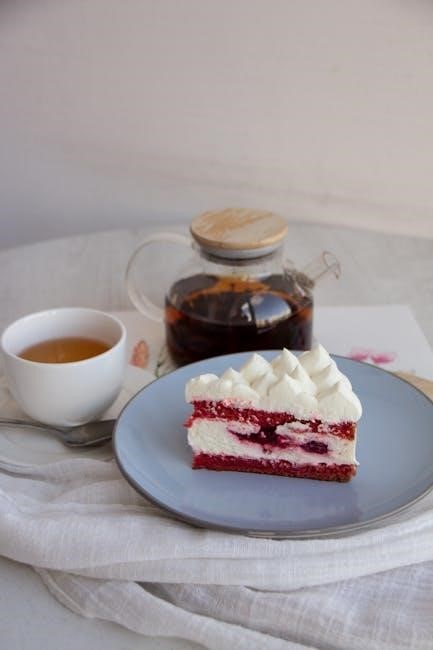
Anticipating leftover cake is prudent, even with careful serving estimations. It’s better to have a little extra than to run out, especially at events like weddings. Proactive planning for excess ensures nothing goes to waste and guests can enjoy a slice later.
Encourage guests to take slices home – providing attractive containers simplifies this. Alternatively, consider donating leftover cake to a local shelter or food bank, adhering to food safety guidelines. Proper storage is crucial; airtight containers in the refrigerator maintain freshness for several days.
Creative repurposing is another option! Crumbs can be used in trifles or as a topping for ice cream. Planning for potential leftovers demonstrates thoughtfulness and minimizes waste.
Remember, a little extra cake extends the celebration beyond the initial event!
Using Cake Serving Charts Effectively
Cake serving charts are invaluable tools, but require nuanced interpretation. Wilton’s guide, and others available online, provide a starting point, but aren’t absolute rules. Consider the chart’s assumptions – typically, standard slice sizes are used.
Don’t blindly follow the numbers. Adjust based on your guest profile; hearty eaters will consume larger portions. Account for cake height – taller cakes yield fewer servings per layer if slices maintain a consistent width. Visual guides, like those found on Etsy, can aid in understanding portion sizes.
Remember charts often represent “party servings,” which are generally smaller than those expected at a formal event. Use charts as a guide, then refine your estimate based on specific event details and guest preferences.
Ultimately, thoughtful consideration alongside chart data ensures sufficient cake for all!
Beyond Charts: Considering Your Guests
While charts offer a solid foundation, truly accurate serving estimations require understanding your audience. Not everyone is a devoted cake enthusiast! Some guests may politely decline, while others will eagerly return for seconds.
Consider the event type. A casual birthday party might warrant more generous portions than a formal wedding reception. Age plays a role too – children typically consume less than adults. Reddit discussions highlight the importance of erring on the side of plenty, but avoiding excessive waste.
Think about the overall menu. If a lavish dessert spread is planned, smaller cake portions are acceptable. Personalize your approach – knowing your guests’ preferences is key to a successful and satisfying experience.
Ultimately, a little intuition goes a long way in ensuring everyone enjoys a sweet treat!
Resources for Cake Serving Information
For comprehensive cake serving guidance, several online resources prove invaluable. Wilton provides an “Ultimate Cake Serving Chart,” detailing pan sizes and estimated servings, crucial for planning batter and icing quantities. You can find it on their website.
Etsy hosts “The Cake Servings Guide for Round and Square Cakes,” a visual aid offering accurate serving information for various cake dimensions – a handy reference for bakers and event planners. CHYNA BS SWEETS also offers this guide.
Reddit’s r/cakedecorating forum features discussions on real-world serving experiences, offering insights beyond standardized charts. These conversations often address nuances like cake height and guest appetites.
Remember to cross-reference information and adapt recommendations to your specific event. These resources empower you to make informed decisions and ensure a delightful cake experience for all!