sublimation washing instructions
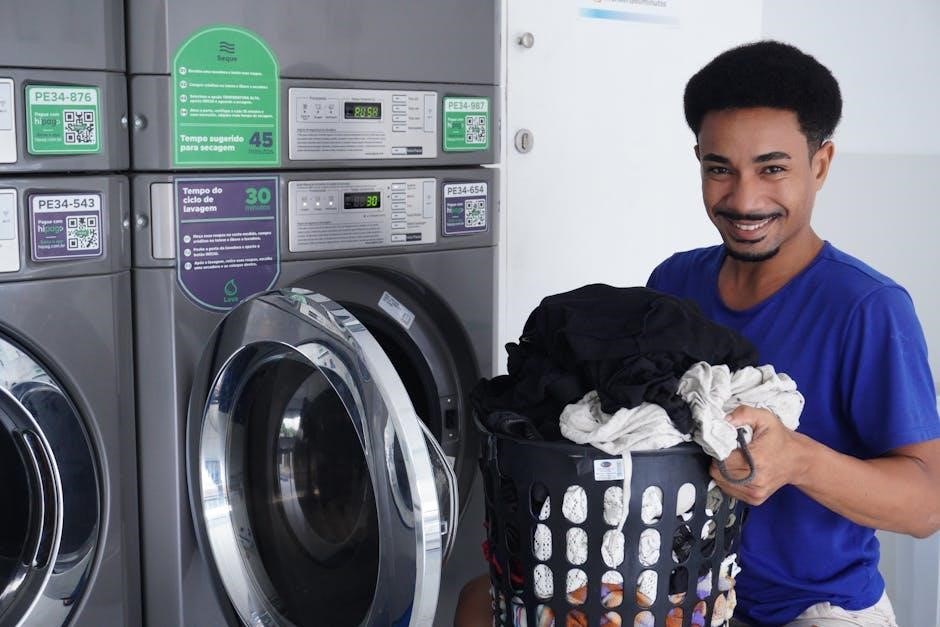
Sublimation Washing Instructions: A Comprehensive Guide
Maintaining vibrant sublimation prints requires diligent care, prioritizing washing instructions, recommended drying techniques, and careful ironing practices for longevity.
Understanding Sublimation Printing
Sublimation is a unique printing process where ink transforms into a gas and permanently bonds with polyester fibers at a molecular level. Unlike traditional printing methods that sit on the fabric, sublimation becomes part of it, resulting in incredibly durable and vibrant designs.
This process explains why specific care is crucial; while highly resistant, the longevity of the print depends on maintaining these bonds. Understanding that natural fibers like cotton don’t readily accept sublimation ink – unless pre-coated – highlights the importance of fabric composition.
The quality of the sublimation ink itself plays a significant role, with lower-quality inks being more susceptible to fading with each wash. Therefore, selecting high-quality inks designed specifically for sublimation is paramount for achieving lasting results.
The Role of Fabric Composition
Fabric composition is a cornerstone of successful sublimation and subsequent wash durability. Sublimation excels on polyester or high-polyester blends, as the synthetic fibers readily open to accept and permanently bond with the sublimation ink. This creates a wash-resistant image, ensuring longevity and vibrancy.
Conversely, natural fibers like cotton present a challenge. They lack the necessary structure for the ink to effectively bond, leading to significantly reduced wash resistance. While specialized coatings can enable sublimation on cotton, the results are generally less durable than those achieved on polyester.
Therefore, always verify the fabric content before sublimating. Higher polyester percentages translate to brighter, longer-lasting prints, simplifying care and minimizing fading concerns during washing.
Polyester vs. Natural Fibers
The fundamental difference in how polyester and natural fibers interact with sublimation ink dictates washing protocols. Polyester’s synthetic structure allows the ink to transform into a gas and fuse within the fiber, creating a permanent bond. This inherent bonding results in exceptional wash fastness, resisting fading and degradation even with repeated laundering.
Natural fibers, such as cotton, lack this receptive quality. Sublimation ink primarily sits on the surface, making it vulnerable to washing away. While coatings can improve adhesion, they rarely match polyester’s durability. Garments with high natural fiber content require gentler washing and are prone to quicker fading.
Choosing polyester or high-blend fabrics is crucial for vibrant, long-lasting sublimation prints. Understanding this distinction informs appropriate care, maximizing print life.
Impact of Ink Quality on Wash Resistance
The caliber of sublimation ink profoundly influences a print’s ability to withstand washing. Low-quality inks contain less pigment and utilize inferior carrier fluids, resulting in weaker bonding with the polyester fibers. This diminished bond translates directly to accelerated fading and color bleeding during laundering.
High-quality sublimation inks, conversely, boast richer pigment concentrations and advanced formulations. These inks penetrate deeper into the fibers, creating a more robust and enduring image. Investing in premium inks is a preventative measure against wash-related deterioration, preserving vibrancy.
Always select inks specifically designed for sublimation printing. Using generic or untested inks compromises wash resistance and ultimately diminishes the longevity of your sublimated designs.
Initial Wash Precautions
The first wash is critical for setting the sublimation ink and maximizing longevity. Before the initial laundering, allow at least 24-72 hours for the ink to fully cure within the fabric. This curing period allows for optimal bonding and minimizes potential bleeding.
Turn the garment inside out. This simple step protects the sublimated design from direct abrasion during the wash cycle, reducing the risk of surface-level fading or scratching. Avoid washing with new or heavily dyed items, as dye transfer can occur.
Carefully inspect the garment for any loose threads or embellishments and address them before washing to prevent further damage during the laundering process.
First Wash Considerations
The initial wash sets the stage for the garment’s future vibrancy. Opt for a cold water wash; heat can cause the sublimation ink to break down and fade prematurely. A gentle cycle is paramount, minimizing agitation and friction that could compromise the print quality.
Resist the urge to use fabric softeners or bleach. These chemicals can negatively interact with the sublimation ink, leading to discoloration or a dull appearance. A mild, pH-neutral detergent is the safest choice, ensuring effective cleaning without damaging the print.
Avoid overloading the washing machine; sufficient space allows for proper rinsing and reduces friction between garments.
Recommended Water Temperature
Maintaining cool temperatures is crucial for preserving sublimation prints. Always prioritize cold water washes – ideally below 30°C (86°F). Hot water aggressively opens the fabric fibers, potentially releasing the sublimation dye molecules and causing noticeable fading. While warm water might seem gentle, it still poses a risk compared to the safety of cold water.
Consistent use of cold water significantly extends the life and vibrancy of your sublimated items. It minimizes dye bleeding and prevents the ink from setting into the washing machine’s components.
Even during initial washes, adhere to this cold-water rule. It establishes a protective baseline for future cleaning cycles.
Washing Machine Settings
Selecting the correct washing machine settings is paramount for preserving sublimation prints. Avoid harsh or aggressive cycles at all costs. The ideal setting is a delicate or gentle cycle, utilizing a slower agitation speed to minimize friction and stress on the fabric and the embedded dyes.
Opt for a shorter wash duration whenever possible. Prolonged exposure to water, even at the correct temperature, can contribute to fading. Ensure your machine’s spin cycle is also set to low, reducing potential damage and dye release.
Always double-check these settings before initiating the wash, safeguarding your sublimated garments from unnecessary wear and tear.
Gentle Cycle Preference
A gentle cycle is unequivocally the best choice when washing items with sublimation prints. This cycle utilizes cooler water temperatures and reduced agitation, significantly minimizing the risk of color fading and print distortion. The slower movement protects the delicate bond between the sublimation ink and the fabric fibers.

Compared to standard or permanent press cycles, the gentle cycle’s reduced mechanical action prevents abrasive wear on the printed design. This is especially crucial for items washed frequently. Prioritizing this setting extends the life and vibrancy of your sublimated creations.
Always verify your washing machine’s settings to ensure a truly gentle wash is selected, preserving the quality of your prints.
Detergent Selection
Choosing the right detergent is paramount for preserving the brilliance of sublimation prints. Opt for mild, pH-neutral detergents specifically designed for delicate fabrics or colors. Harsh chemicals, such as those found in many standard detergents, can break down the ink molecules, leading to noticeable fading and a diminished print quality over time.
Avoid detergents containing bleach, optical brighteners, or fabric softeners. These additives can be particularly damaging, stripping color and altering the fabric’s texture. Liquid detergents generally dissolve more completely than powders, reducing the risk of residue buildup.
Using a gentle detergent safeguards the ink bond and ensures your sublimated items remain vibrant wash after wash.
Avoiding Harsh Chemicals
Protecting your sublimation prints demands strict avoidance of harsh chemicals during the washing process. Standard laundry detergents often contain bleaching agents, optical brighteners, and strong enzymes that aggressively degrade sublimation ink, causing premature fading and discoloration. These chemicals disrupt the ink’s bond with the polyester fibers, leading to a washed-out appearance.
Specifically, steer clear of chlorine bleach, as it’s incredibly damaging. Fabric softeners, while seemingly harmless, can leave a residue that dulls the print’s vibrancy. Even stain removers with potent chemical compositions should be avoided, as they can target and dissolve the sublimated ink.

Prioritizing gentle, pH-neutral detergents is crucial for long-lasting, vivid prints.
Drying Techniques for Sublimated Items
Proper drying is paramount to preserving the brilliance of your sublimated designs. While tumble drying offers convenience, it introduces heat that can accelerate fading, especially with lower-quality inks. If using a dryer, always opt for the lowest heat setting and a short cycle to minimize exposure.
Air drying is undeniably the gentlest method. Laying the item flat on a clean, dry surface, or hanging it on a plastic hanger away from direct sunlight, allows the fabric to dry naturally without heat stress. This significantly extends the life and vibrancy of the print.
Avoid direct sunlight exposure, as UV rays contribute to color degradation.
Air Drying Benefits
Air drying stands as the most beneficial technique for preserving sublimated designs, offering a gentle approach that minimizes potential damage. Unlike machine drying, it eliminates heat exposure, a primary culprit in fading and print degradation, particularly with inks of lesser quality.
This method allows the fabric to dry naturally, maintaining the integrity of the bonded ink molecules. Laying items flat on a clean, dry surface, or utilizing a plastic hanger, ensures proper ventilation and prevents unwanted creases.
Crucially, air drying avoids the harshness of tumbling, which can cause friction and wear on the print. It’s a simple yet effective way to prolong the vibrancy and lifespan of your sublimated garments.
Tumble Drying Guidelines
While air drying is preferred, tumble drying sublimated items is possible with careful adherence to specific guidelines. Always opt for the lowest heat setting to minimize ink damage and potential fading – high heat is detrimental to print longevity.
Turn garments inside out before placing them in the dryer; this protects the printed surface from direct friction and abrasion against other items. A short drying cycle is recommended, checking frequently to avoid over-drying, which can also contribute to fading.
Avoid using dryer sheets, as their chemicals can potentially affect the ink’s adhesion. Consider removing items while still slightly damp and allowing them to finish air drying.
Avoiding Direct Sunlight Exposure
Prolonged exposure to direct sunlight is a significant contributor to fading in sublimated prints, even more so than washing. The ultraviolet (UV) rays break down the ink molecules, causing colors to lose their vibrancy over time. When drying your sublimated items, always choose a shaded area, away from direct sunlight.
Avoid hanging garments outdoors to dry unless absolutely necessary, and even then, ensure they are protected from the sun’s rays. Storing sublimated items in dark closets or drawers will also help preserve the print quality.
Consider using UV protectant sprays designed for fabrics, though testing on an inconspicuous area is crucial first. Consistent preventative measures are key to maintaining long-lasting, brilliant colors.
Ironing Sublimated Products
Ironing sublimated products requires a delicate approach to prevent damage to the print. While sublimation bonds the ink to the fabric, excessive heat can still cause fading or distortion. Always check the garment’s care label for specific ironing instructions, prioritizing lower temperature settings.
The recommended ironing temperature is typically low to medium, avoiding the highest heat settings. Crucially, use a protective cloth – such as a thin cotton towel or parchment paper – between the iron and the sublimated design. This acts as a barrier, distributing heat evenly and preventing direct contact.
Avoid using steam, as moisture can sometimes affect the ink. Iron on the reverse side of the garment whenever possible, and test a small, hidden area first to ensure compatibility.
Ironing Temperature Settings
Determining the correct ironing temperature is paramount for preserving sublimated designs. Generally, a low to medium heat setting is recommended, mirroring the temperature used for delicate synthetic fabrics like polyester. Avoid high heat at all costs, as it can cause the ink to break down and fade, diminishing the vibrancy of the print.
Specifically, aim for a temperature below 300°F (150°C). If your iron has fabric settings, select the ‘synthetic’ or ‘polyester’ option. Always test a discreet area of the garment first to confirm the heat level doesn’t negatively impact the design.
Remember that prolonged exposure to any heat can be detrimental, so iron quickly and efficiently, utilizing a protective cloth as a crucial barrier.
Using a Protective Cloth
Employing a protective cloth during ironing is a non-negotiable step in safeguarding your sublimated creations. This barrier, typically a thin cotton cloth like a pillowcase or muslin, prevents direct contact between the hot iron and the sublimated ink. Direct heat can cause the ink to melt, distort, or even lift from the fabric, leading to irreversible damage and a faded appearance.
Place the cloth directly over the design and iron through it, distributing the heat more evenly and reducing the risk of scorching. Ensure the cloth is clean and free of any dyes or embellishments that could transfer onto your garment.
This simple precaution significantly extends the life and vibrancy of your sublimation prints, preserving their quality for years to come.
Hand Washing Delicate Items
For particularly delicate items featuring sublimation prints, hand washing offers the gentlest cleaning method. This is especially crucial for items like hats or fabrics prone to damage in a machine. Begin by filling a basin with cold or lukewarm water, avoiding hot water which can accelerate fading.
Add a mild detergent specifically designed for delicate fabrics, ensuring it’s thoroughly dissolved before introducing the garment. Gently submerge the item and agitate the water, avoiding harsh scrubbing or twisting. Focus on stained areas with a soft brush or cloth.
Rinse thoroughly with cold water until all detergent residue is removed, then carefully squeeze out excess water – do not wring. Allow the item to air dry completely, away from direct sunlight or heat.
Basin Washing Procedure
Initiate the basin washing process by selecting a clean basin and filling it with cool to lukewarm water. Avoid hot water, as it can negatively impact the sublimation print’s vibrancy. Introduce a small amount of mild detergent, ensuring it’s fully dissolved to prevent uneven cleaning or residue.
Gently submerge the sublimated item, ensuring it’s fully immersed. Use your hands to delicately agitate the water, creating a gentle washing action. Avoid vigorous scrubbing or twisting, which can distort the print or damage the fabric. Focus on areas with visible dirt or stains, using a soft cloth for targeted cleaning.
Allow the item to soak for a short period, typically 5-10 minutes, before proceeding to rinsing. Rinse thoroughly under cool, running water until all traces of detergent are eliminated.
Rinsing and Air Drying
Following the basin wash, thorough rinsing is crucial. Continue rinsing the sublimated item under cool, running water until absolutely no detergent remains. Residual detergent can cause fading or discoloration over time. Gently squeeze out excess water – avoid wringing or twisting, as this can damage the fabric and the print.
Air drying is the preferred method for preserving sublimation prints. Lay the item flat on a clean, dry towel or hang it on a plastic hanger, away from direct sunlight. Direct sunlight can cause colors to fade and degrade the print quality.
Ensure adequate ventilation to facilitate efficient drying. Avoid using a clothes dryer, as the heat can also contribute to fading. Allow the item to dry completely before storing or ironing.
Addressing Potential Fading
Even with careful washing, some fading may occur over time. Understanding preventative measures is key to minimizing this. Using high-quality inks from the start significantly improves wash resistance and color retention. Regularly inspect sublimated items for any signs of fading, particularly after repeated washes.
For minor fading, consider re-washing the item inside out with a color-safe detergent. Avoid harsh chemicals or bleach, as these will exacerbate the problem. If fading persists, gently ironing the print on a low setting with a protective cloth may help to revitalize the colors.
Remember that natural fibers lack the bonding capabilities of polyester, making them more susceptible to fading. Prioritize polyester or high-polyester blends for optimal results.
Preventative Measures
Proactive care is crucial for preserving sublimation prints. Always prioritize washing garments inside out to shield the design from direct friction during the wash cycle. Employing cold or lukewarm water significantly reduces the risk of color bleeding and fading compared to hotter temperatures.
Selecting a mild, color-safe detergent is paramount; avoid harsh chemicals, bleach, and fabric softeners. These can break down the ink and diminish vibrancy. Air drying is strongly recommended over tumble drying, as heat accelerates fading. If tumble drying is necessary, use a low heat setting.
Regularly check garment labels for specific care instructions and adhere to them diligently. Choosing high-polyester fabrics initially ensures better ink bonding and longevity.
Dealing with Minor Fading
Even with careful preventative measures, slight fading can occur over time. If you notice minor fading, avoid harsh treatments that could worsen the issue. Re-washing the item with cold water and a mild detergent can sometimes revitalize the colors, though results vary.
Consider using a color-reviving laundry additive specifically designed for vibrant colors, following the product’s instructions carefully. Avoid re-ironing faded areas, as heat can set the diminished color. Spot cleaning with a gentle detergent can address localized fading without subjecting the entire garment to unnecessary washing.
Accepting a slight degree of fading as natural wear is often the most practical approach, especially with frequent use. Focus on preventative care to minimize future fading.
Long-Term Care for Vibrant Prints
Preserving the brilliance of your sublimated items hinges on consistent, gentle care. Limit wash frequency, only cleaning when necessary, to minimize color degradation. Always turn garments inside out before washing to protect the printed surface from abrasion. Store items away from direct sunlight, which can cause fading even when not in use.
When storing, avoid tightly folding or stacking sublimated items for extended periods, as this can cause creasing and potential color transfer. Consider using garment bags for added protection. Regularly inspect items for any signs of wear or fading, addressing them promptly.
Prioritize quality inks and fabrics from the outset, as these significantly impact long-term print durability.