soccer ball size guide
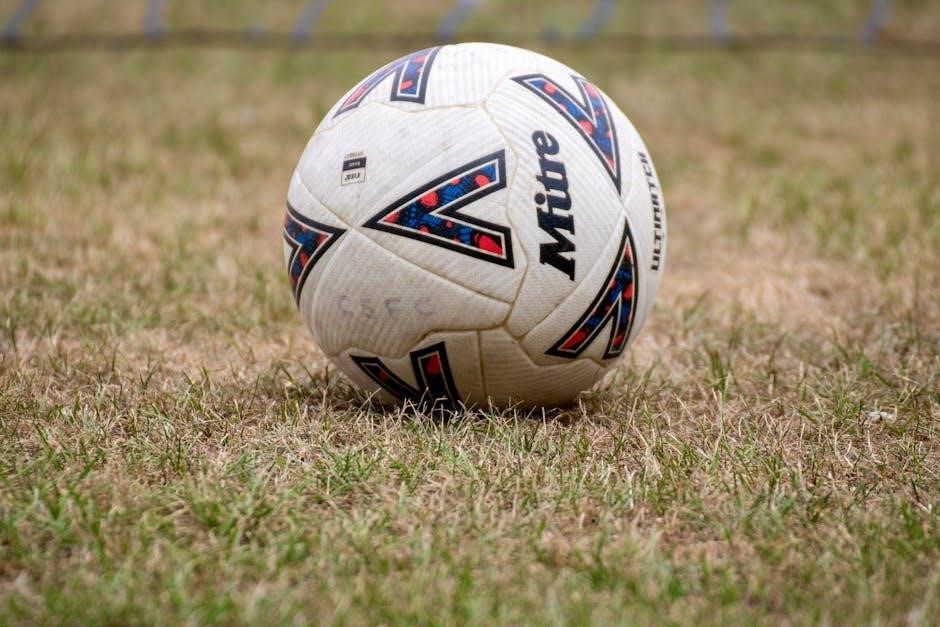
Soccer Ball Size Guide: A Comprehensive Overview (Updated 02/18/2026)
Navigating the world of soccer requires selecting the correct ball size, crucial for skill development and enjoyable play across all ages and competitive levels.
Embarking on a soccer journey, whether a casual kickabout or aspiring for professional leagues, begins with understanding the diverse range of soccer ball sizes available. These aren’t arbitrary; each size is specifically designed to cater to different age groups, skill levels, and playing environments. From the diminutive Size 1, perfect for initial footwork drills, to the official Size 5 used in professional matches, the appropriate ball size significantly impacts player development and enjoyment.
Choosing the right size isn’t merely about conforming to standards; it’s about optimizing the playing experience. Smaller balls are easier for young children to control, fostering confidence and skill acquisition. Conversely, adult players require the weight and size of a Size 5 ball to execute advanced techniques and maintain game pace. This guide will comprehensively explore each size, providing insights into their specifications and ideal applications, ensuring you select the perfect ball for your needs.
Why Soccer Ball Size Matters
The size of a soccer ball profoundly influences a player’s ability to develop fundamental skills and enjoy the game. Using an incorrectly sized ball can hinder progress, impacting control, passing accuracy, and overall technique. For younger players, a ball that’s too large can be difficult to maneuver, leading to frustration and discouraging participation. Conversely, an adult using a small ball may struggle with power and precision.
Proper ball size promotes correct technique from the outset, building a solid foundation for future skill development. It also ensures fair play and safety, minimizing the risk of injury. Selecting the appropriate size isn’t just about following rules; it’s about maximizing a player’s potential and fostering a positive soccer experience. Ultimately, the right ball size empowers players to perform at their best and truly appreciate the beautiful game.

Understanding the Different Soccer Ball Sizes
Soccer balls come in sizes one through five, each designed for specific age groups and training purposes, impacting skill development and gameplay enjoyment.
Size 1 Soccer Balls: The Miniatures
Size 1 soccer balls are the smallest available, typically boasting a circumference between 18 and 20 inches. These miniature balls are not intended for standard gameplay but serve as excellent tools for developing fundamental skills in very young children and for focused skills training. Their small size makes them ideal for indoor use and allows players to practice close control, dribbling, and ball manipulation in confined spaces.
Due to their manageable size, Size 1 balls boost confidence in beginners, enabling quicker success with basic techniques. They are perfect for introducing the sport to toddlers and preschoolers, fostering a love for the game from an early age. While not used in organized matches, these mini soccer balls are a valuable asset for individual practice and early skill acquisition, laying a solid foundation for future development.
Size 2 Soccer Balls: Skills Training & Very Young Players
Size 2 soccer balls, though rarely used in typical game scenarios, present a unique advantage for skill refinement and introduction to the sport for the youngest players. Slightly larger than Size 1, these balls are still considered miniature, making them manageable for small hands and promoting early ball control development. They are excellent for indoor practice, allowing players to hone dribbling, passing, and receiving skills in a limited space.
These balls are particularly beneficial for very young children beginning their soccer journey, offering a less intimidating experience than larger sizes. The reduced size and weight build confidence and encourage frequent touches, accelerating skill acquisition. While not a standard size for organized play, Size 2 balls are a valuable training aid and a fantastic way to spark a passion for soccer in budding athletes.
Size 3 Soccer Balls: Early Development (Ages 8-12)
Designed for players aged 8 to 12, Size 3 soccer balls bridge the gap between introductory sizes and the standard game ball, fostering continued skill development during crucial formative years. With a circumference typically ranging from 23 to 24 inches, these balls offer a comfortable weight and size for growing players, allowing them to refine their technique and build confidence on the field.
Size 3 balls are commonly used in youth leagues and schoolyard soccer programs, providing an appropriate challenge without being overwhelming. They encourage more accurate passing and shooting, as players begin to develop the strength and coordination needed for more advanced maneuvers. This size facilitates a smoother transition towards Size 4 and ultimately, Size 5, preparing young athletes for competitive play.
Size 4 Soccer Balls: Youth Leagues & Intermediate Players
Size 4 soccer balls, with a circumference between 25 and 26.5 inches, are the standard for many youth leagues, particularly for players aged 8 to 14, and are ideal for intermediate skill levels. This size strikes a balance between manageability and the feel of a full-sized ball, aiding in the development of essential soccer techniques.
Frequently utilized in AYSO leagues for the 10U and 12U age groups, Size 4 balls allow players to practice more advanced skills like dribbling, passing accuracy, and shooting power. They’re lighter and slightly smaller than Size 5, making them easier to control for developing players. The transition to Size 4 is a significant step, preparing athletes for the demands of competitive soccer and building a solid foundation for future success on the pitch.
Size 5 Soccer Balls: The Official Standard
The Size 5 soccer ball reigns supreme as the official standard for professional matches and adult play, governed strictly by FIFA regulations. Its circumference measures between 68 and 70 centimeters (approximately 27-28 inches), offering a consistent playing experience for athletes at the highest levels of competition.
This size is employed in leagues for players aged 14 and above, including the 14U, 16U, and 18U divisions within organizations like AYSO. Size 5 balls demand greater strength and technique, challenging players to refine their skills and execute precise passes and powerful shots. FIFA-approved balls undergo rigorous testing to ensure they meet specific weight and pressure standards, guaranteeing optimal performance and fair play across all sanctioned matches. Mastering the Size 5 ball is a crucial milestone for any aspiring soccer player.
Detailed Specifications & Measurements
Precise measurements of circumference and weight are vital for each soccer ball size, ensuring consistent play and adherence to official regulations for competitions.
Size 1: Circumference & Weight
Size 1 soccer balls, often referred to as miniatures, are the smallest available and designed primarily for very young children and skill development exercises. Typically, these balls boast an approximate circumference ranging between 18 and 20 inches, making them exceptionally easy for small hands to manage and control.
Concerning weight, Size 1 balls are remarkably light, generally weighing between 8 and 12 ounces. This reduced weight allows for safer play and encourages early confidence in kicking and dribbling. They aren’t typically used in formal matches but are excellent for introducing the sport and honing fundamental techniques in a controlled environment. Their smaller size also makes them ideal for indoor practice and limited space play.
Size 2: Circumference & Weight
While less commonly encountered than other sizes, Size 2 soccer balls serve a specific niche, primarily focused on advanced skills training and use by very young players transitioning from Size 1. These balls generally have a circumference falling within the 20 to 22-inch range, offering a slight increase in size for developing control.
The weight of a Size 2 ball typically ranges from 12 to 16 ounces, providing a noticeable but still manageable weight for young athletes. They are often favored for practicing close control, footwork drills, and indoor soccer due to their smaller size and reduced bounce. Although rarely used in organized play, they bridge the gap between introductory play and larger, more standard ball sizes, aiding in skill progression.
Size 3: Circumference & Weight
Designed for players aged 8 to 12, Size 3 soccer balls represent a crucial step in a young athlete’s development. These balls boast a circumference typically measured between 23 and 24 inches, providing a more substantial feel and encouraging improved kicking technique. This size facilitates better control and accuracy as players begin to refine their skills.
The weight of a Size 3 ball generally falls within the 12 to 14 ounce range, striking a balance between manageability and the developing strength of young players. They are ideal for early-stage league play and practice sessions, fostering confidence and skill growth. Size 3 balls help children transition towards the larger sizes used in more competitive environments, building a solid foundation for future success.
Size 4: Circumference & Weight
Size 4 soccer balls are specifically tailored for youth players, generally those aged 8 to 14, and are frequently utilized in youth leagues and intermediate-level play. These balls have a circumference ranging from 25 to 26.5 inches, offering a noticeable increase in size compared to Size 3, demanding greater control and precision from developing players.
Typically weighing between 14 and 16 ounces, Size 4 balls provide a weight that challenges young athletes while remaining manageable for their growing strength. This size and weight combination aids in refining passing, shooting, and overall ball-handling skills. AYSO recommends Size 4 for their 10U and 12U divisions, highlighting its suitability for this age group and skill level, preparing them for the transition to Size 5.
Size 5: Circumference, Weight & Pressure
The Size 5 soccer ball represents the official standard used in professional matches and for adult competitive play, governed by FIFA regulations. Its circumference falls within the range of 68 to 70 centimeters (approximately 26.8 to 27.6 inches), demanding a high level of skill and control from players.
Weighing between 14 and 16 ounces (396 to 453 grams), Size 5 balls require significant strength and technique to manipulate effectively. Proper inflation pressure is also crucial, typically ranging between 8.5 and 15.6 psi (pounds per square inch). Maintaining the correct pressure ensures optimal performance, bounce, and feel during gameplay. FIFA-approved balls adhere to strict specifications regarding these measurements, guaranteeing a consistent playing experience across all levels of competition.
Age & Skill Level Recommendations
Selecting the appropriate soccer ball size is vital for player development, ensuring a positive experience tailored to their age and growing abilities.
Choosing the Right Size for Young Children (Under 8)
For children under eight years old, prioritizing fun and foundational skill development is paramount. Size 3 soccer balls, with a circumference between 23.0 and 25.0 inches, are generally recommended for this age group. These smaller balls are lighter and easier for young players to control, dribble, and kick effectively, fostering confidence and enjoyment.
AYSO Schoolyard Soccer programs specifically utilize Size 3 balls for their 6U and 8U divisions, highlighting their suitability for early-stage learning. Introducing a ball that isn’t overwhelming in size allows children to focus on technique without struggling with weight or manageability. This early positive experience is crucial for cultivating a lifelong love of the game, building coordination, and establishing fundamental soccer skills.
Selecting a Ball for Youth Players (8-14)
As players progress between the ages of eight and fourteen, transitioning to appropriately sized soccer balls is vital for continued development. For players in the 10U and 12U age groups, a Size 4 ball, measuring 25.0 to 26.5 inches in circumference, is the standard recommendation. This size offers a balance between control and the ability to generate power, supporting more advanced skills.
AYSO guidelines further specify Size 4 for these divisions, and then transition to Size 5 for players aged 14 and above (14U, 16U, and 18U), with a circumference of 26.5 to 28.0 inches. This gradual increase prepares youth players for the official Size 5 ball used in competitive matches and professional play, ensuring a smooth transition as their skills and physical abilities mature.
Optimal Size for Adult & Competitive Play
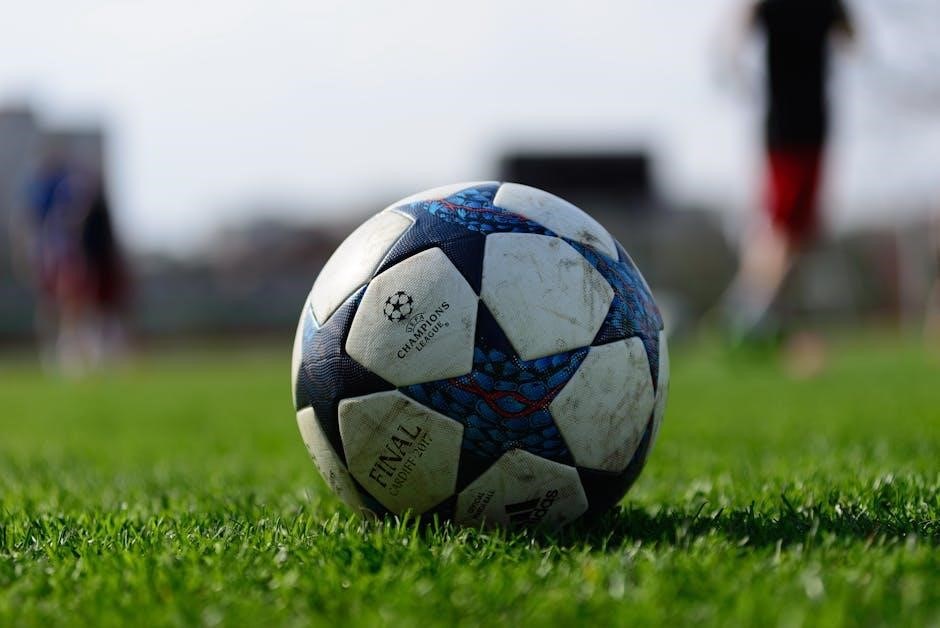
For adult players and those participating in competitive soccer, the universally recognized standard is the Size 5 soccer ball; FIFA regulations dictate that a Size 5 ball must have a circumference of between 68 and 70 centimeters (approximately 26.8 to 27.6 inches). This size provides the optimal weight and surface area for powerful kicks, accurate passing, and consistent ball control, essential for high-level gameplay.
Professional leagues and official competitions strictly adhere to these specifications. Choosing a FIFA-approved Size 5 ball ensures compliance with competition standards. Beyond size, factors like ball material (leather or synthetic) and internal pressure also contribute to performance, but Size 5 remains the non-negotiable element for adult and competitive soccer environments.
FIFA Regulations & Competition Standards
FIFA establishes strict guidelines for ball specifications, including size, weight, and material, ensuring fair play and consistency across all international competitions and approved matches.
FIFA Approved Ball Specifications
To earn FIFA’s coveted “Quality Pro” or “Quality” approval, soccer balls undergo rigorous testing procedures designed to guarantee consistent performance characteristics. These tests assess crucial elements like spherical shape, rebound, water absorption, weight, and circumference. A FIFA Quality Pro ball, used in professional matches, must have a circumference between 68 and 70 centimeters (approximately 26.8 – 27.6 inches).
Weight restrictions fall between 410 and 450 grams (14.4 – 15.9 ounces). Furthermore, balls are tested for pressure loss and durability. The markings on a FIFA-approved ball are also regulated; competition rules may limit the size and quantity of these markings. These stringent standards ensure a level playing field and a predictable ball behavior for players at all levels of competition, promoting fairness and enhancing the overall game experience.
Futsal Ball Requirements (Size & Material)
Futsal, the fast-paced indoor variant of soccer, utilizes a distinct ball with specific characteristics differing from traditional outdoor soccer balls. FIFA regulations dictate that a futsal ball must be spherical and constructed from leather or a suitable alternative material, prioritizing controlled bounce and reduced speed. The circumference is tightly regulated, falling between 62 and 64 centimeters (approximately 24.4 – 25.2 inches), smaller than a standard Size 5 soccer ball.
This reduced size contributes to the game’s emphasis on close control and quick passing. While material options exist, the ball must maintain a consistent weight and minimize excessive bounce. These specifications ensure optimal playability within the confined space of a futsal court, enhancing the skill-based nature of the sport and promoting dynamic, engaging matches for both players and spectators.
Competition Regulations Regarding Markings
Official soccer competitions adhere to strict regulations concerning markings on the ball, ensuring fair play and consistent standards across all levels of the game. While manufacturers often incorporate logos and designs, these markings are subject to limitations imposed by governing bodies like FIFA. Competition rules may restrict both the size and the total number of markings permitted on the ball’s surface, preventing excessive visual distraction during play.
These regulations aim to maintain the ball’s visibility and prevent any potential advantage gained from overly prominent or strategically placed designs. Approved markings must not compromise the ball’s aerodynamic properties or interfere with its overall performance. Detailed guidelines are available to manufacturers seeking FIFA approval, guaranteeing compliance with these crucial competition standards and upholding the integrity of the sport.
Materials & Construction Considerations
The choice between leather and synthetic materials significantly impacts a soccer ball’s durability, performance, and feel, influencing play at every skill level.
Leather vs. Synthetic Soccer Balls
Traditionally, soccer balls were crafted from leather, offering a superior touch and feel favored by professional players. Leather balls absorb minimal water, maintaining their weight and shape consistently during play, but require more care and are generally more expensive.
Synthetic soccer balls, typically made from polyurethane (PU) or polyvinyl chloride (PVC), have become increasingly popular due to their durability, affordability, and resistance to water absorption. PU offers a softer feel closer to leather, while PVC is more cost-effective but can be harder.
Modern synthetic materials often mimic the performance characteristics of leather, providing excellent playability. The construction method, including the number of panels and the type of stitching, also plays a vital role in the ball’s overall quality and performance.
Impact of Material on Ball Performance
The material of a soccer ball significantly impacts its performance characteristics, influencing factors like flight stability, bounce, and touch. Leather balls, while offering a premium feel, can be affected by weather conditions, becoming heavier when wet. This alters their flight path and responsiveness.
Synthetic materials, particularly PU, provide consistent performance in various weather conditions, maintaining their shape and weight. PVC balls are highly durable and suitable for abrasive surfaces, but may offer less precise control.
Panel construction and stitching also contribute; fewer panels generally result in a more predictable flight path. The ball’s internal bladder and backing materials affect its bounce and overall energy return. Ultimately, material choice balances performance, durability, and cost.